


Multi-Air Sensor
TAILORED AIR QUALITY MONITORING
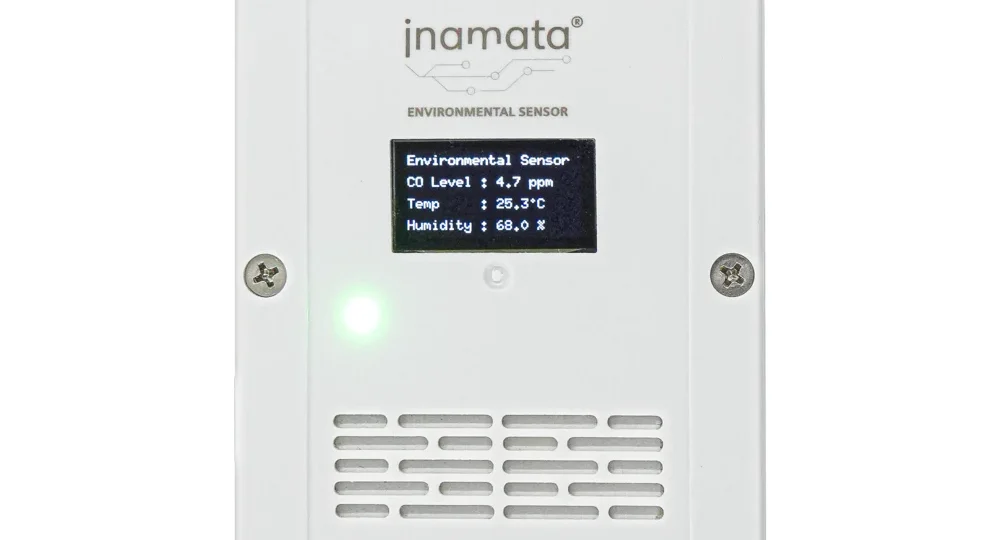
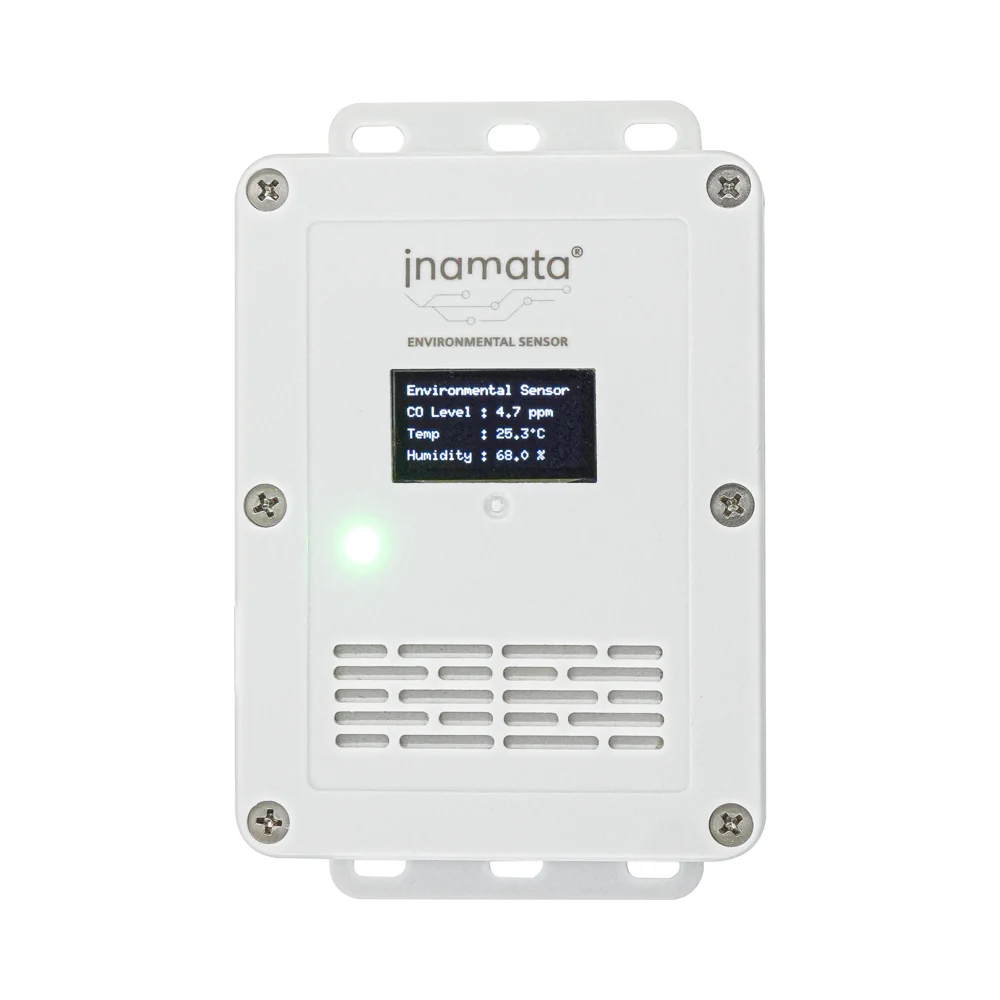
The Multi-Air Sensor is easy to install and highly configurable. It supports up to three factory-calibrated high-accuracy sensors and up to four additional MEMS sensors, allowing it to monitor a wide range of gases and particulates.
It is setup via the Inamata app and connects via Wi-Fi, LoRaWAN or LTE with the platform. In addition, an on-device display provides local readings.
Multi-Air Sensor Configurator
Air Pollution Sources
Air pollutants affecting the general public mainly come from widespread, everyday sources. Vehicle exhaust releases nitrogen oxides, particulate matter, and carbon monoxide, especially in urban areas. Power generation, residential heating, agriculture, and waste burning also emit sulfur dioxide, ozone-forming chemicals, and fine particles. These combined sources create background air pollution that people are exposed to during daily activities at home, outdoors, and while commuting.
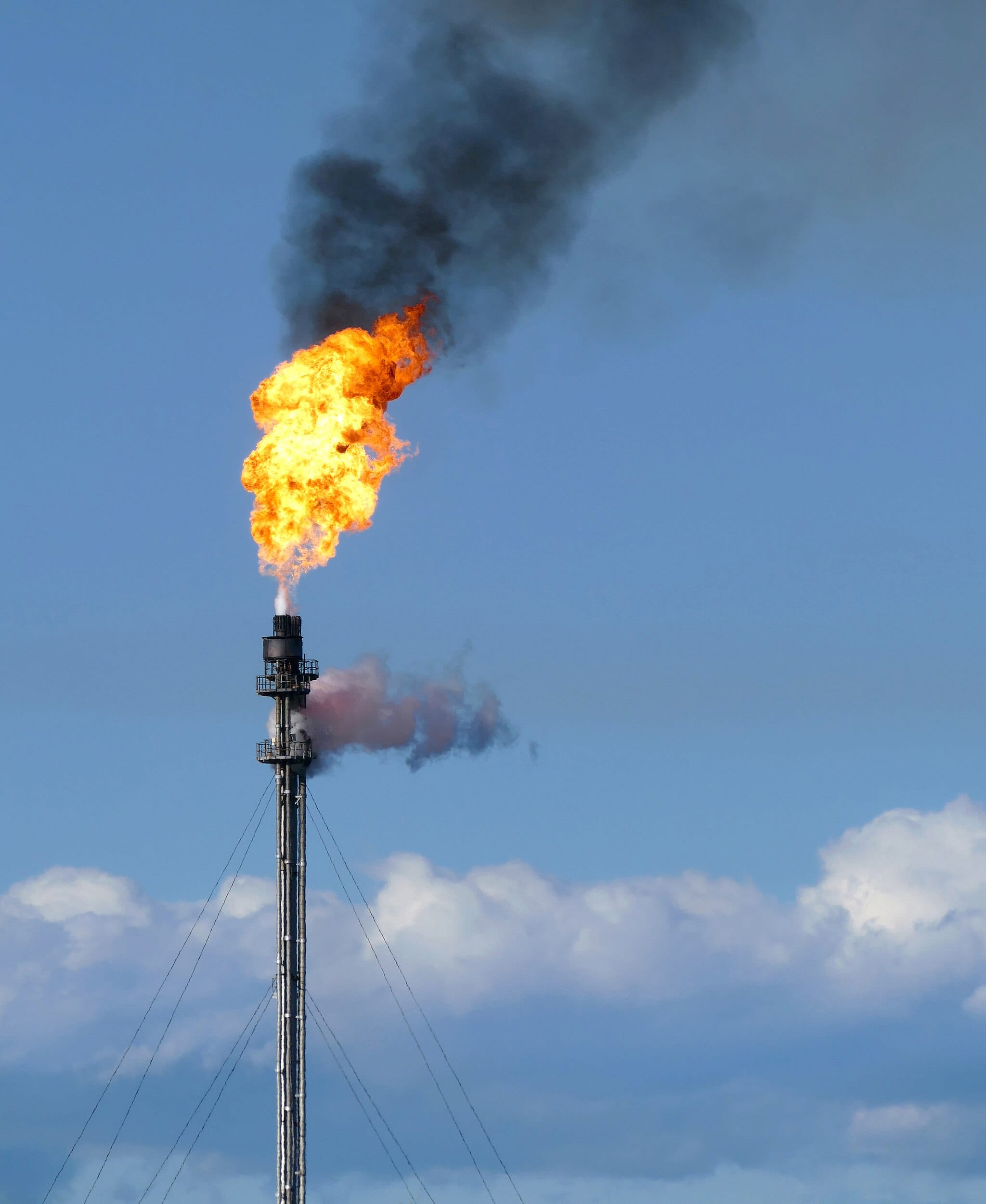
In industrial facilities, workers are exposed to more concentrated pollutants directly linked to specific processes, such as chemical vapors, solvents, metal fumes, and dusts from manufacturing, welding, refining, or material handling. These exposures can also affect labor productivity: a recent OECD study found that higher fine particulate matter (PM2.5) levels are causally associated with measurable reductions in productivity at firm level, with a 1 µg/m³ increase linked to about a 0.55 % drop in output per worker, suggesting that poorer air quality hurts performance as well as health.
Monitor Air Quality Conditions