Monitor remote environments with the Inamata Enduring Data Logger — up-to 5-year battery device with NB-IoT, analog inputs, and smart compliance dashboards.
Hardware
System Overview
Interface with Reality
IoT hardware devices are the edge with which Inamata interfaces with the world around us. Deploy on the device that suits your needs. Choose from a variety of ones offered by our hardware partners or develop your own ESP32-based device with the help of our engineers.
Take a look at the IoT hardware devices we support below. For more specialized installations, contact us about support for interfacing with your existing control box or sensors.
Monitor fire suppression systems with the Inamata Fire Data Logger. Get instant alerts via Wi-Fi or LTE as well as local compliance logs.
Robust ultrasonic tank level sensors for liquids and solids. Get real-time dashboards, mobile alerts, and automated control for safe operations.
Ensure CO₂ refrigeration safety. Inamata’s Tiaki CO₂ Monitor detects leaks, shuts off units, and helps you meet international compliance standards.
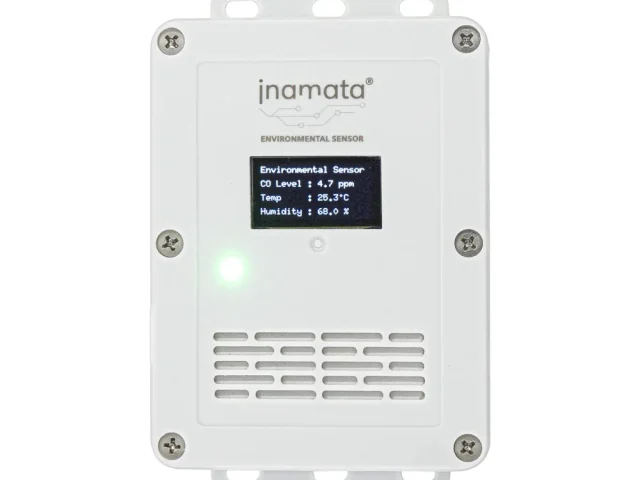
Protect your workforce and stay compliant. Detect harmful pollutants, track trends, and automate responses to keep your air safe.
Prototyping
Development Devices
To prototype hardware solutions, we offer these devices to get started. They have a wide range of inputs and outputs as well as supporting a range of sensors and actuators. This allows you to quickly get started before moving to custom build solutions.
The hardware can be ordered online at any reputable market place and then by following the Getting Started guide to get the devices running and connected.
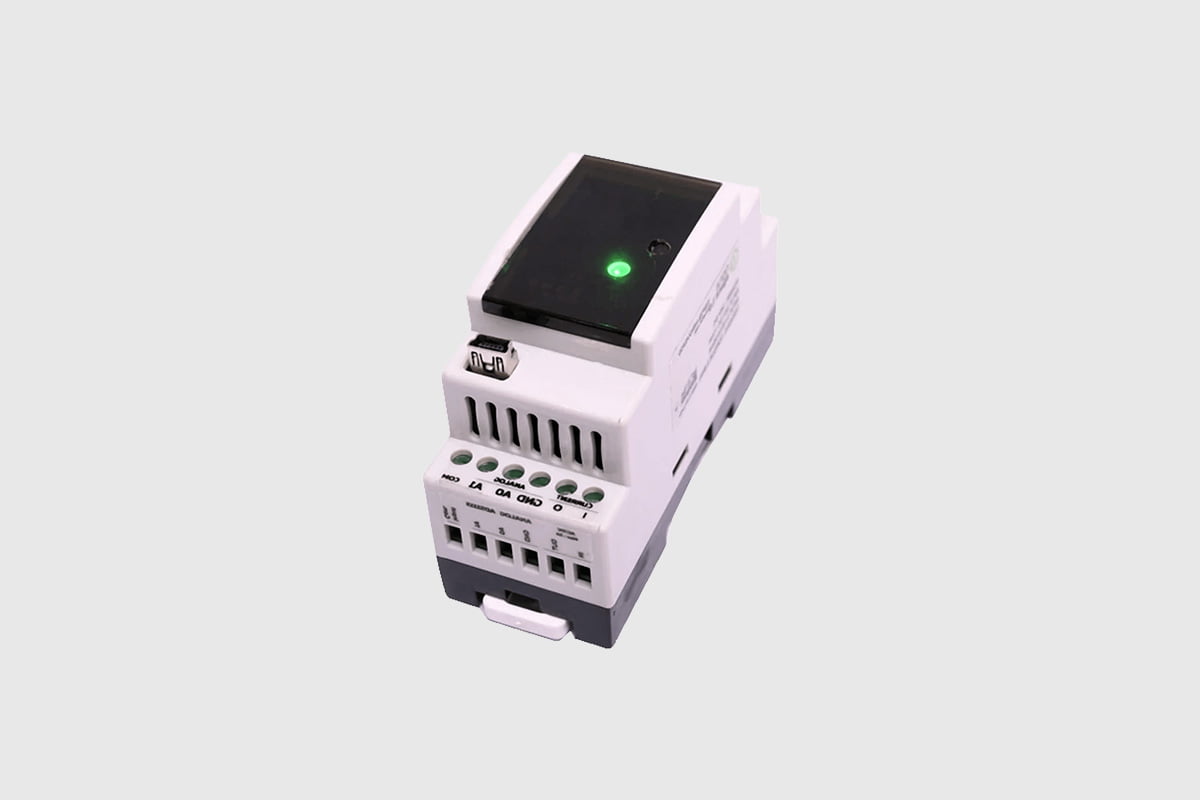
Norvi Agent 1
The Norvi Agent 1 devices allow for flexible integration into existing industrial systems. They offer digital and analog in- and outputs as well as support for digital protocols and switching devices via relays. They are CE certified and have been deployed in a range of industrial settings.
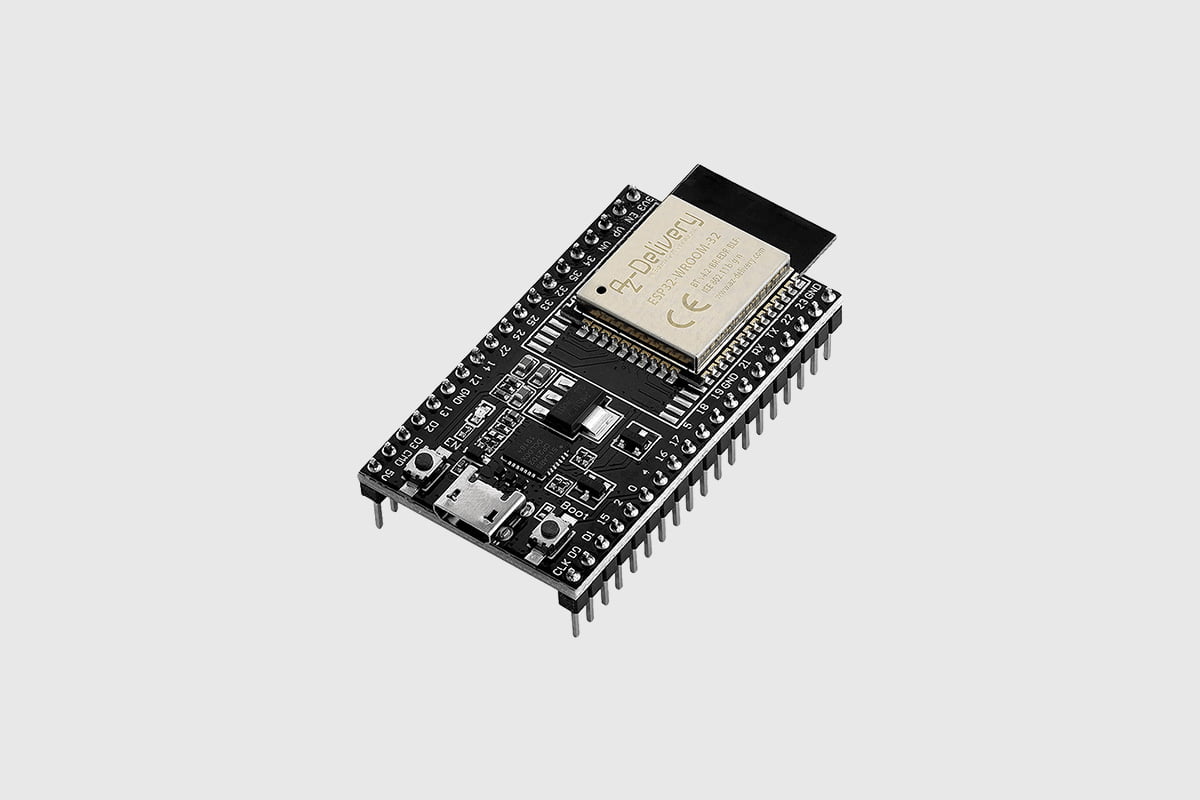
ESP32 DEVKIT
The ESP32 Devkit is the perfect platform to prototype solutions and be integrated into small batch devices. It features most I/O pins broken out to pin headers on both sides for convenient interfacing. Developers can connect peripherals using jumper wires or mount the board on a breadboard for prototyping.