



Multi-Air Sensor
Tailored Air Quality Monitoring
Modern facilities rely on accurate air quality monitoring to protect people, processes, and compliance. But without continuous measurement, hazardous gases or poor air conditions can remain undetected until they become a serious risk. That’s why Inamata developed the Multi-Air Sensor — a compact, network-enabled device designed to continuously measure airborne particles and gases in real time. When thresholds are exceeded, it immediately alerts users and can notify responsible personnel.
The Multi-Air Sensor is easy to install and highly configurable. It supports up to three factory-calibrated high-accuracy sensors and up to four additional MEMS sensors, allowing it to monitor a wide range of gases and particulates. The base device operates on 110–240 VAC and includes Wi-Fi and Bluetooth, with optional LTE connectivity and an on-device display for local readings.
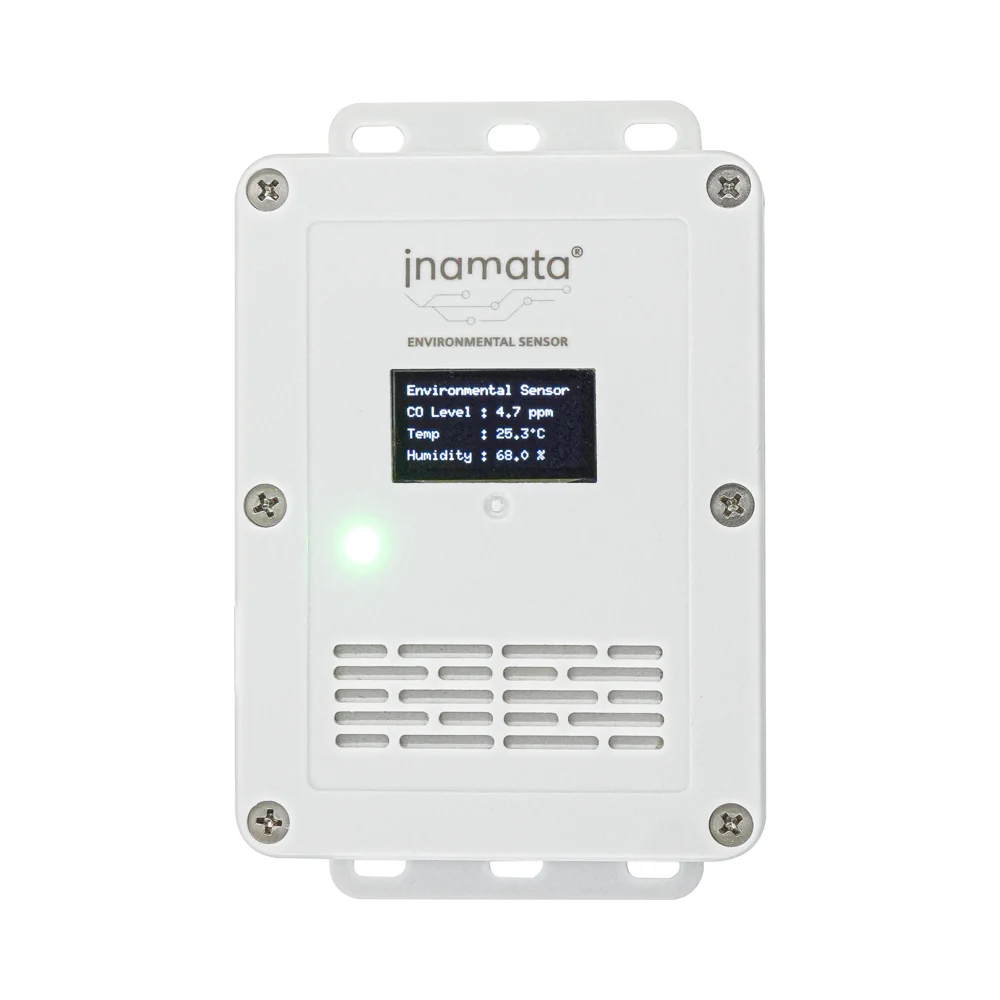
Multi-Air Sensor Configurator
Air Pollution Sources
Air pollutants affecting the general public mainly come from widespread, everyday sources. Vehicle exhaust releases nitrogen oxides, particulate matter, and carbon monoxide, especially in urban areas. Power generation, residential heating, agriculture, and waste burning also emit sulfur dioxide, ozone-forming chemicals, and fine particles. These combined sources create background air pollution that people are exposed to during daily activities at home, outdoors, and while commuting.
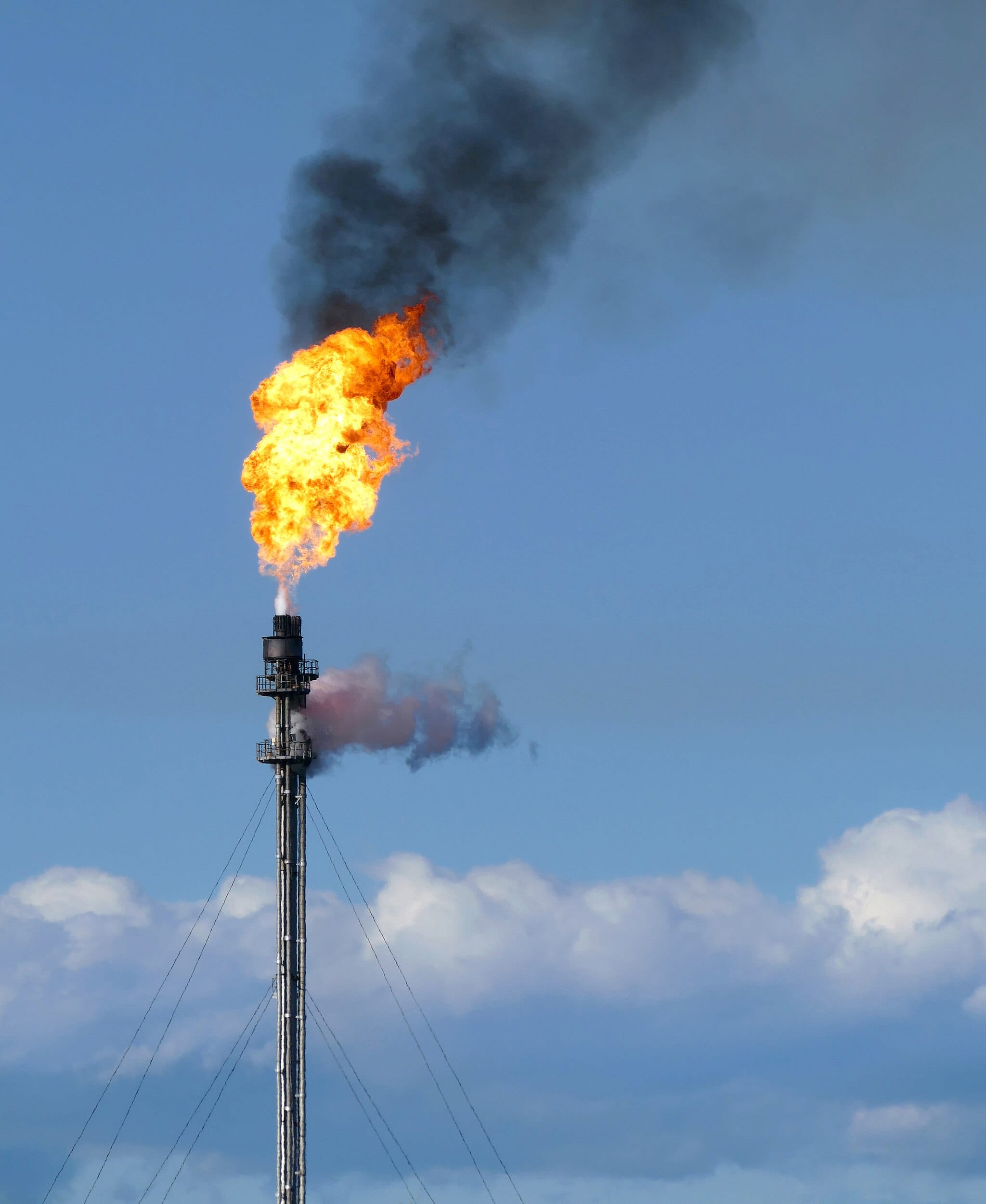
In industrial facilities, workers are exposed to more concentrated pollutants directly linked to specific processes, such as chemical vapors, solvents, metal fumes, and dusts from manufacturing, welding, refining, or material handling. These exposures can also affect labour productivity: a recent OECD study found that higher fine particulate matter (PM2.5) levels are causally associated with measurable reductions in productivity at firm level, with a 1 µg/m³ increase linked to about a 0.55 % drop in output per worker, suggesting that poorer air quality hurts performance as well as health.
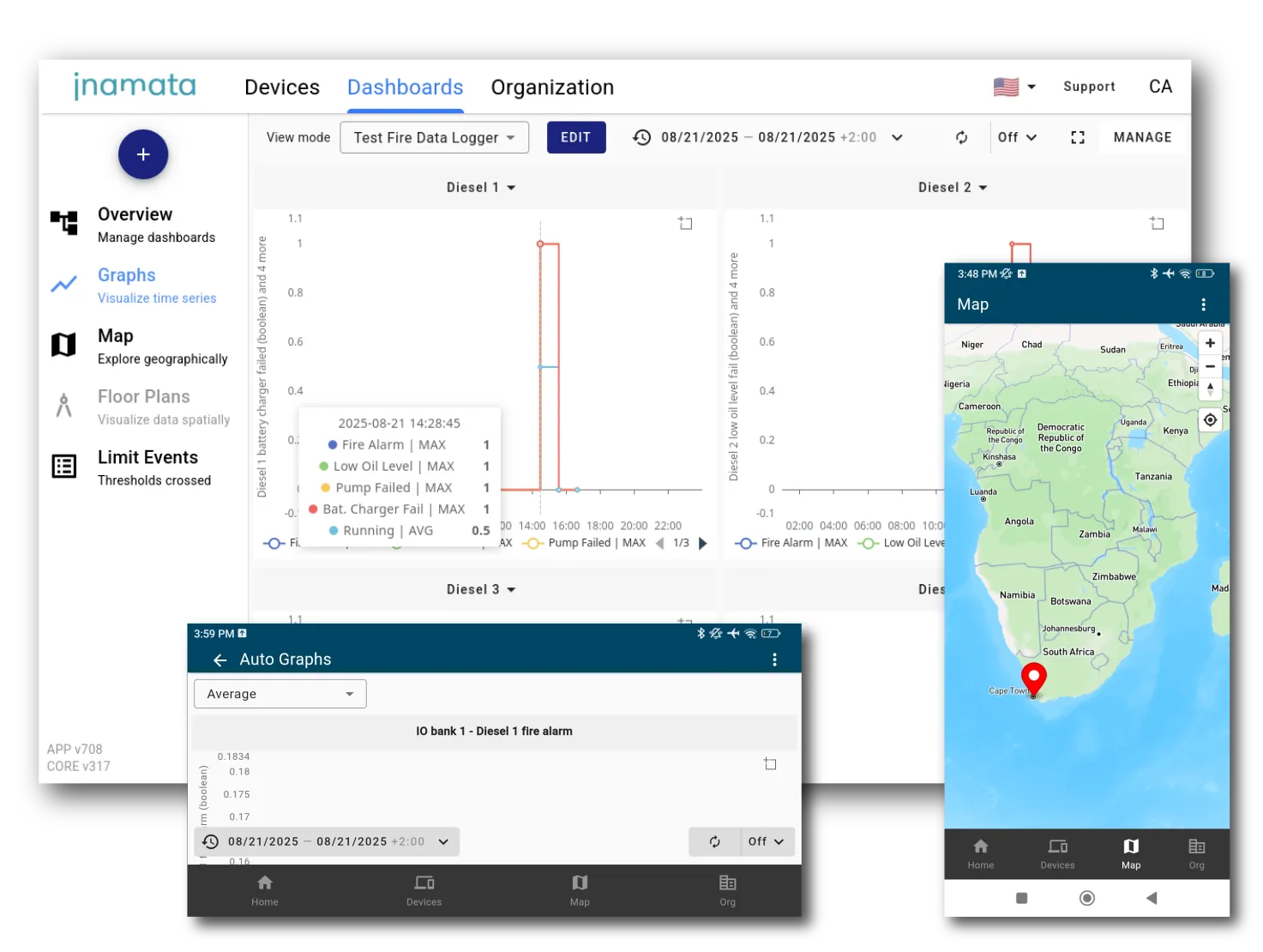
Use Inamata’s dashboards to maintain a clear overview of air quality across your facilities and locations. Track gas concentrations and particulate levels over time, compare current readings with historical data, and identify irregular patterns early. When potential hazards emerge, take corrective action before conditions become unsafe.
Follow up on mitigation measures to confirm that air quality has returned to acceptable levels. Historical data helps verify that corrective actions remain effective and that recurring exposure risks are detected early.
For regulatory and occupational safety purposes, generate monthly or yearly reports to document compliance. These records can also support audits or incident investigations, providing clear evidence of adherence to environmental and workplace safety requirements.